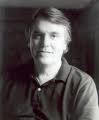
 I see that the English poet, Christopher Logue, has died (3 December, aged 85). I wrote about this brief verse of his in a previous blog (27/10/2009):
Come to the edge.
We might fall.
Come to the edge.
It’s too high!
COME TO THE EDGE!
And they came
And he pushed
And they flew…
Usually it is attributed to the French poet, Guillaume Apollinaire. I could never understand why this is so. And then, one day, in a second-hand bookshop in York, I fell into conversation with the owner, who knew Logue.
This is what he told me. Logue had been commissioned to write the words for a poster for an exhibition of Apollinaire’s work. Being a literary magpie, in this case he took a stanza from a lengthy poem of his own (published in New Numbers in 1969) and used it on the poster.
So from thenceforth, it became part of Apollinaire’s public heritage, repeated constantly on the net. How ironic that is, given that Logue stole from all and sundry throughout his career.
Christopher Logue is perhaps best remembered now for his version for radio of Homer’s Iliad, which was published and broadcast over many years from its commission by the BBC’s Third Programme in 1959. This is a brief passage from Part One, War Music:
The battle swayed.
Half-naked men hacked slowly at each other
As the Greeks eased back the Trojans.
They stood close;
Closer; thigh in thigh; mask twisted over iron mask
Like kissing.
Dramatic stuff!



 Posts
Posts

