
I’ve always loved rehearsals. Probably somewhat more than performance or presentation. It’s a time when current ideas cross over with experimentation, so it can be a highly creative process.
In music, the first rehearsal that I remember was at school. It would have been around 1959 and I would have been fifteen.
Walking across the quad one afternoon, I could hear an orchestra playing in the hall, wandered in, and discovered Sir John Barbirolli rehearsing his wonderful Hallé Orchestra from Manchester. Rather shamefully, I don’t remember what the work was. What I do recall vividly was a dynamic sense of collective trial and error. And Barbirolli’s genial cajoling of the players to give of their best. His voice I can hear now – deep, authoritative but warm, the hint of a chuckle.
He struck me as an ideal leader figure. At one moment Barbirolli jumped down from the conductor’s rostrum and took the principal cellist’s instrument from him in order to demonstrate how he wanted a certain passage to go. Cheers and laughter from the players.
Ever since that time, I’ve attended rehearsals whenever I can. In fact for several years now I have an arrangement with the Orchestra of the Age of Enlightenment that, in return for bits of work that I do with them, from time to time I can sit in on their rehearsals. To watch a great conductor working with a brilliant group of musicians is a real thrill for me to this day.
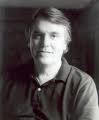
And as our little music festival kicked off this weekend in King’s Sutton, one of the greatest pleasures has been to see and hear Alissa Firsova (above) coaxing our restored 1872 Broadwood into giving voice again.
She played, exploring and polishing, for some four hours before finally giving her brilliant concert – Beethoven’s last sonata opus 111, Scriabin’s Poèmes, Bartok’s rarely performed Elegies and Schumann’s Faschingsschwank aus Wien (Carnival Jest from Vienna) opus 26.



 Posts
Posts

